Jeffrey Ren's Blog
Introduction
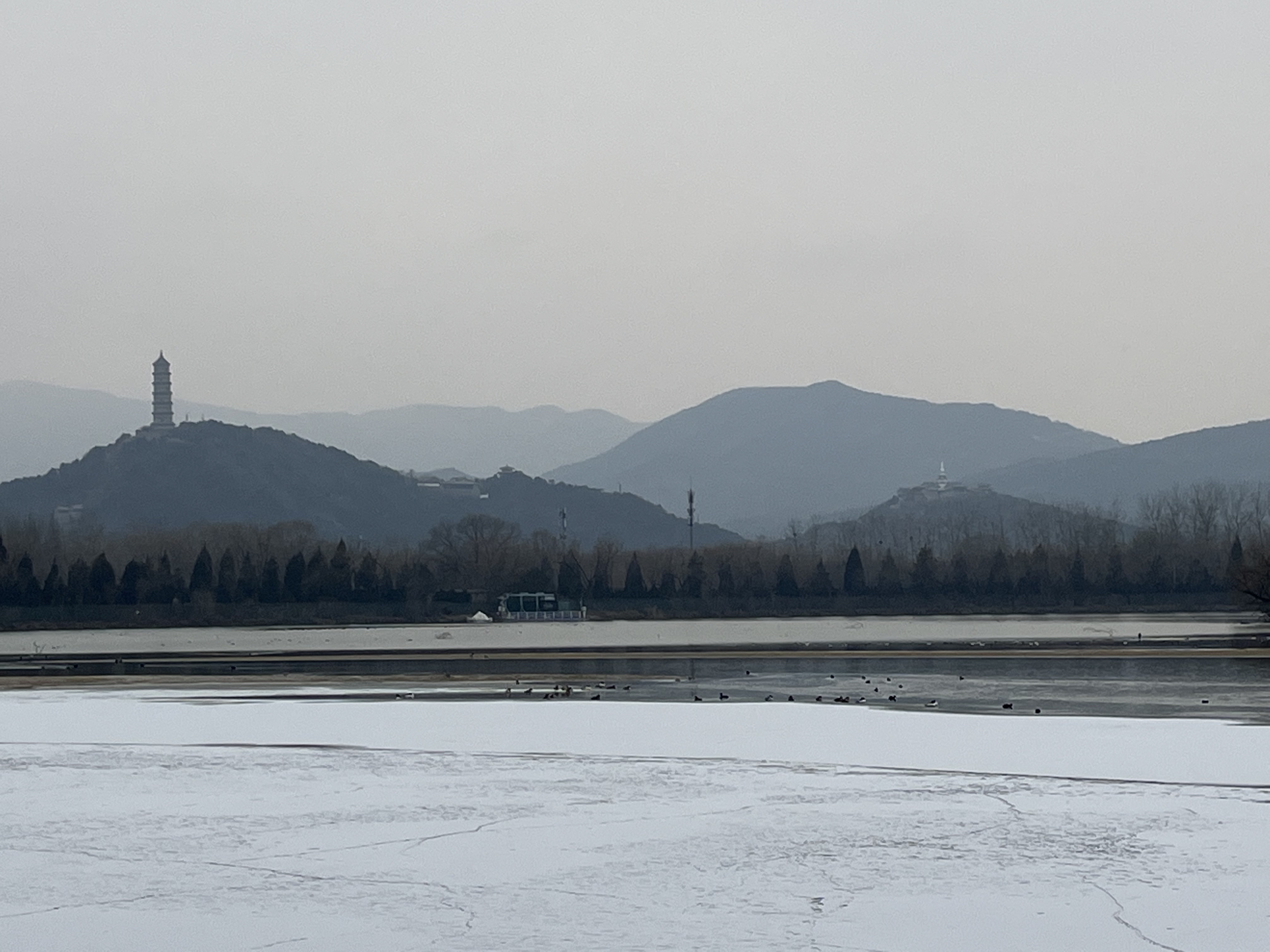
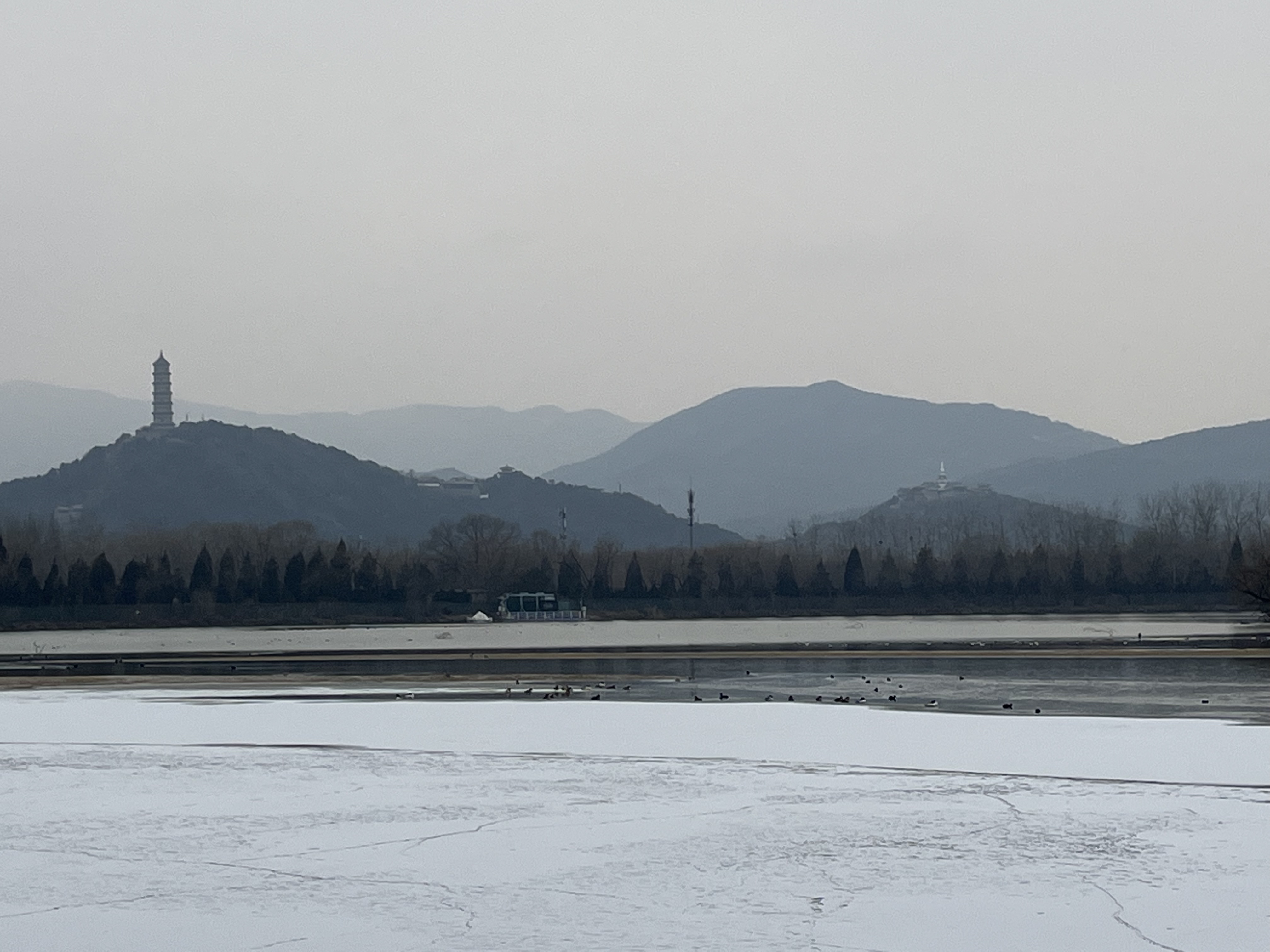
The Summer Palace, also known as Yiheyuan in Chinese, is a majestic royal garden nestled in the northwest outskirts of Beijing. Recognized as one of China’s most cherished and extensive imperial parks, it has been listed as a UNESCO World Heritage Site since 1998.
Constructed primarily during the Qing Dynasty (1644-1912), the Summer Palace served as a luxurious retreat for emperors seeking respite from the scorching summer heat of the Forbidden City. The design harmoniously combines natural landscapes with artificial structures, reflecting traditional Chinese gardening aesthetics and architectural brilliance.
Spanning over 290 hectares, the park features breathtaking scenic spots such as Kunming Lake and Longevity Hill. The iconic Seventeen-Arch Bridge elegantly traverses the lake, while the magnificent Hall of Dispelling Clouds perches atop the hill, offering panoramic views. The Long Corridor, adorned with thousands of intricate paintings, meanders along the water’s edge, providing visitors with a vivid display of classical art.
The Summer Palace also boasts historical buildings like the Marble Boat, which symbolizes the stability of the Qing dynasty despite turbulent times, and the Tower of Buddhist Incense, a towering pagoda that stands as a testament to religious influence on imperial life.
Today, the Summer Palace continues to attract millions of tourists every year who come to admire its rich history, exquisite architecture, and serene beauty. It not only serves as a living museum but also as a tranquil oasis within the bustling metropolis of Beijing, where one can experience the grandeur of China’s imperial past and appreciate the delicate balance between human creativity and nature’s serenity.
Our Footprints